dachel542@teml.net
Navigating Your Oral Health Options: A Closer Look at Modern Dental Care
Maintaining a healthy and bright smile requires finding a dental care provider that aligns with your specific oral healthcare needs. Across the United States, several prominent dental offices share variations of the name Hanna Dentistry, each offering distinct treatment methodologies, environments, and surgical capabilities. Understanding the differences between general family practices and highly specialized implant centers is essential for anyone seeking routine prevention or advanced reconstructive procedures.
The Foundations of Comprehensive Family Dental Care
For many patients, oral health is managed through consistent, long-term relationships with a general practitioner. In communities like Sterling Heights, Michigan, family-focused providers under the name Hanna Dentistry specialize in preventative, cosmetic, and emergency care. Led by experienced dental professionals, these clinics focus heavily on creating a comfortable environment to alleviate patient anxiety during regular cleanings, fillings, root canals, and orthodontic treatments.
Family dental offices emphasize continuity of care. By treating patients across different age groups, from young children receiving their first dental checkup to seniors managing natural age-related oral shifts, general dental practices build comprehensive health histories. This holistic view enables providers to catch early signs of decay, structural shifting, or periodontal issues before they transform into complex problems requiring invasive surgeries. Furthermore, modern advancements integrated into standard clinics—such as high-definition digital X-rays and gentle sedation techniques—ensure that everyday maintenance remains highly precise and minimally stressful.
Advanced Specialization and Surgical Care
When tooth decay, sudden trauma, or advanced gum disease leads to structural damage or missing teeth, the focus shifts from standard prevention to specialized oral rehabilitation. This is where advanced practices, such as specialized implant and periodontal clinics, play a crucial role. Centers focused heavily on oral reconstruction utilize cutting-edge medical engineering to replace missing structural elements with long-lasting prosthetic teeth.
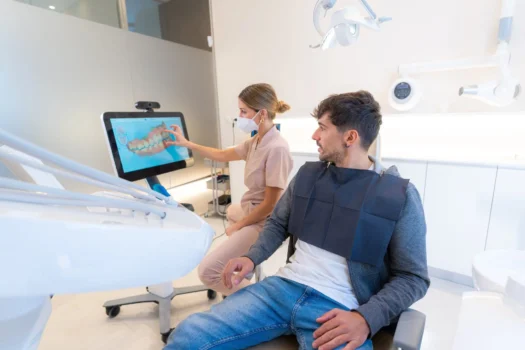
In major medical hubs like Houston, Texas, dedicated dental implant facilities provide high-level surgical interventions that extend far beyond regular cleanings. Utilizing advanced technologies like 3D Cone Beam Computed Tomography (CBCT) scans, specialist teams create highly detailed spatial maps of a patient’s jawbone structure. This level of planning allows for exact placement of dental restorations, including single-tooth crowns, multiple bridges, or full-arch full-mouth restorations. These advanced techniques serve to stimulate natural bone growth and effectively recreate the natural bite force, giving individuals a durable alternative to traditional removable dentures.
Selecting the Ideal Provider for Your Needs
Choosing the correct dental office relies on analyzing your current health requirements against the specialization of the facility. If your primary goals involve routine cleanings, pediatric care, teeth whitening, or managing occasional cavities, a regional family clinic remains the most logical destination. Alternatively, if you require a complex dr hanna dental extraction, structural bone grafting, or advanced cosmetic adjustments, seeking a specialized implant and periodontal institute ensures you receive care tailored directly to advanced surgical needs. Prioritizing modern equipment and clear communication will ultimately guide you toward a healthy and lasting smile.